


The repair estimate may be two hours, but the delivery disruption can last much longer. A truck misses its loading slot, another vehicle takes part of its route, and a customer receives an arrival estimate that no longer reflects the revised plan. By the time the original truck is ready, several other assignments may already have changed.
For a fleet, equipment downtime creates two jobs: restoring the affected asset and reorganizing the work it was supposed to perform. Maintenance manages the repair, while operations needs enough reliable information to choose a workable response. The quality of that handoff can influence how far one equipment issue spreads through the schedule.
Give dispatch a decision it can use

A fault notification does not tell a dispatcher whether to hold a load, arrange a substitute, or contact the customer. Those decisions require an operational status and a realistic next update. “Awaiting assessment” is useful when it includes who is assessing the equipment and when operations should expect more information.
A repair estimate should also distinguish confirmed facts from provisional expectations. If a technician has not yet inspected the vehicle, an assumed return time can create another round of failed assignments. Dispatch can work with uncertainty when it is visible. Trouble develops when a tentative estimate becomes a firm commitment simply because nobody updates the planning record.
Match the replacement to the load
The nearest spare vehicle is not always a suitable replacement. A delivery may require refrigeration, a liftgate, particular loading access, or a trailer configuration that the substitute does not have. Transferring the assignment without checking those requirements can move the problem to the customer’s premises.
Before committing to a replacement, operations should confirm:
-
Whether the vehicle and trailer meet the load’s capacity and equipment requirements.
-
Whether collection, loading, and travel fit the remaining appointment window.
-
Whether the driver can complete the revised assignment within applicable operating limits.
-
Which existing commitments would be displaced by using that equipment.
These checks make the recovery plan more credible. They also help identify situations where rescheduling one delivery is preferable to making several promises that the available equipment cannot support.
Make equipment information useful before the next assignment
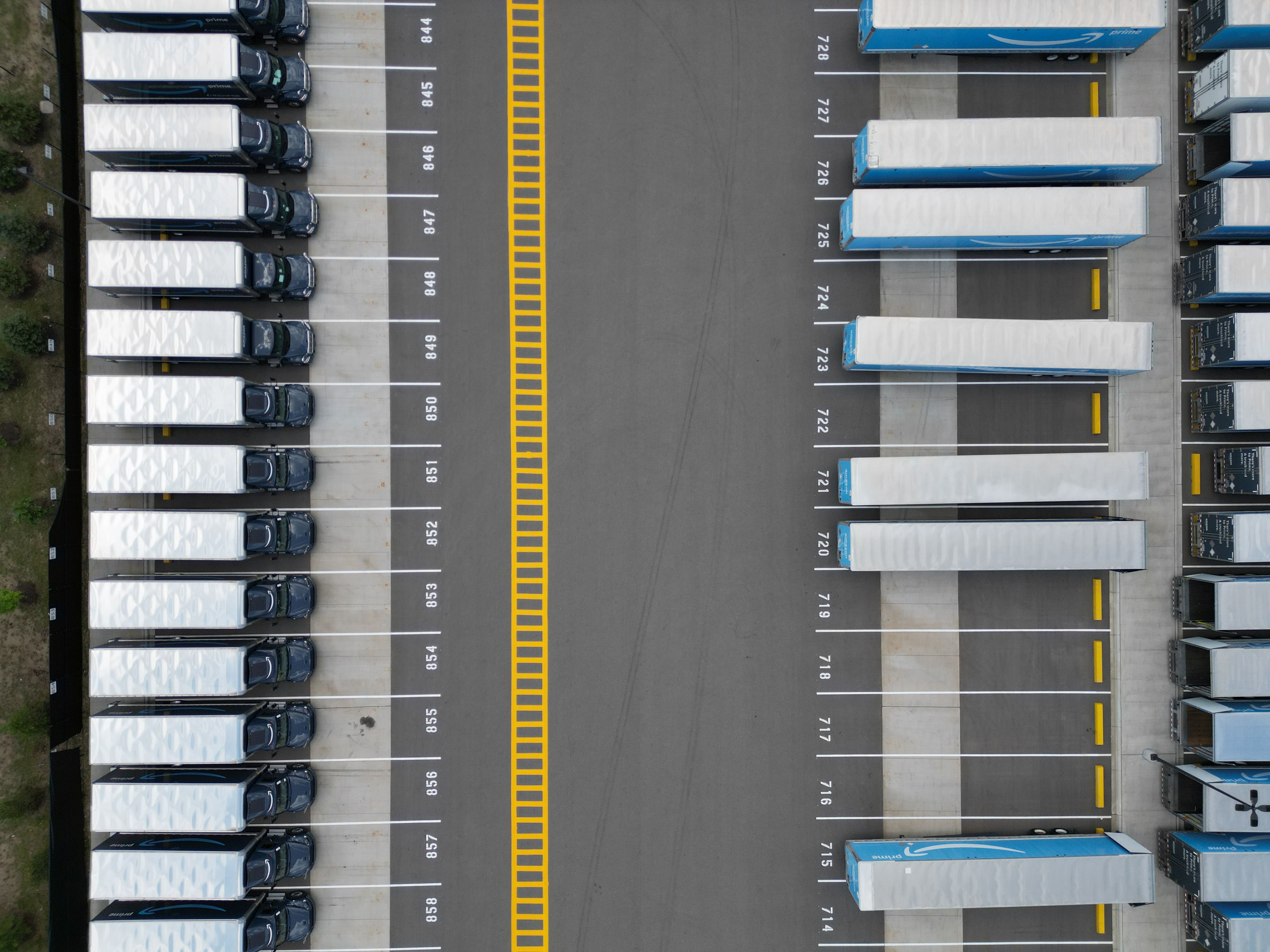
Connected equipment can give operations earlier visibility into conditions that need assessment. A refrigeration-system alert, for example, may prompt a service review before the trailer is allocated to another temperature-controlled load. The operational value comes from getting that information to the appropriate person while there is still time to consider alternatives.
For manufacturers building those capabilities into truck and trailer systems, Blues supplies embedded connectivity and cloud services that carry equipment data into applications. Its Notecard and Notehub products provide the communication path for services such as remote equipment monitoring. Manufacturers can build on that foundation to connect component events with service notifications and customer workflows, making their equipment easier to support in daily operation.
The application still needs clear rules for what happens after an event arrives. An alert might request inspection, open a service case, or notify a designated contact. Any decision to restrict or release equipment should follow the fleet’s assessment process. This connection between the event and the response makes monitoring useful to the people managing the next load.
Close the operational disruption as well as the repair

Returning a vehicle to service does not automatically restore its original schedule. The load may have moved, the driver may have another assignment, or the customer’s receiving window may have closed. Before placing the repaired asset back into the plan, operations needs to confirm its next task and communicate any changes to the people involved.
Customer updates deserve the same attention. A revised arrival estimate should reflect the replacement vehicle, loading arrangements, and remaining stops. Assigning responsibility for that update prevents maintenance, dispatch, and account staff from giving different answers about the same shipment.
Afterward, review the incident beyond workshop time. How long did dispatch wait for a usable status? Was the first substitute suitable? Did anyone keep working from an outdated arrival estimate? Those questions reveal where the recovery process needs improvement. A fleet cannot eliminate every equipment failure, but it can make the resulting decisions faster, clearer, and less disruptive to the rest of the day’s work.