

A product with 4.8 stars and two thousand reviews feels like a safe bet. But a rating is only as good as the process behind it, and that process is not always visible. Some reviews are written by people who never used the product, some are paid for, and some are quietly removed when they are unflattering. Knowing what to look for takes a few minutes and can save you from a poor purchase or a bad decision.
Start With the Platform Behind the Rating
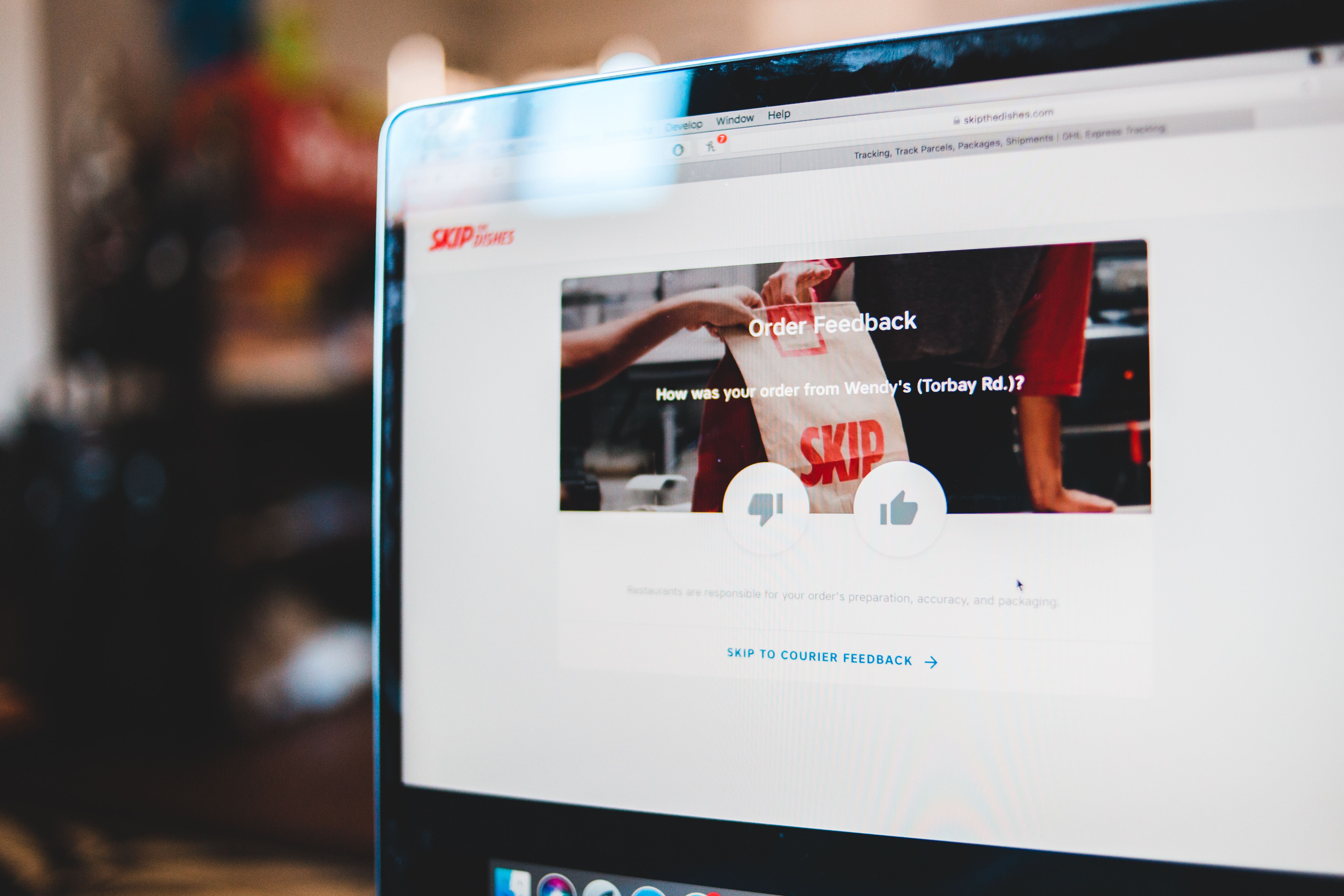
Before you read a single comment, look at where the reviews live. A shop’s own product page, a dedicated review site, a map listing, and a social media post all work differently. Each platform has its own rules for who may post, how reviews are checked, and whether negative feedback is allowed to stay visible. Ask yourself whether the site explains how its ratings are calculated. If it does not say, that silence tells you something.
Regulators have started paying attention to this. The FTC’s rule on consumer reviews and testimonials took effect on October 21, 2024, and it prohibits selling or buying fake reviews and creating reviews that misrepresent the reviewer’s experience. The agency’s staff also expects platforms to be transparent about how reviews are collected and moderated. You can read the agency’s practical advice in its FTC guidance for review platforms, which is a useful checklist for spotting sites that take the issue seriously.
Check the Pattern, Not Just the Average
An average score hides a lot. Open the reviews and look at how they are distributed. A natural set of reviews usually has a spread of ratings, with some one-star and some five-star entries and a lot of middle ground. A product where nearly everything is five stars, posted within a few days of each other, deserves suspicion. So does a sudden burst of praise after a long quiet period.
Pay attention to the content of the reviews as well. Genuine reviewers tend to mention specifics: how a product felt after a week, what broke, how long shipping took, or which feature they actually used. Vague praise such as “amazing quality, highly recommend, great seller” can be written by anyone, including people who were paid to write it. Repeated phrases across different accounts, or reviews that describe a product in marketing language, are common warning signs.
Look closely at the reviewer, too. A profile that has only ever reviewed one brand, has no other activity, or was created on the same day as several other reviews deserves a second thought. Reviews that come from verified purchases are generally more reliable than open submissions, although verification is not a guarantee.

Look at How Negative Feedback Is Handled
Every product and service gets complaints, so a total absence of negative reviews is often more suspicious than a handful of them. Check whether the business responds to criticism in a calm, specific way. Replies that address the actual problem suggest a real customer relationship. Replies that attack the reviewer or ignore the complaint completely are a bad sign.
Platforms also have their own rules about what counts as manipulation. Google’s Maps user-generated content policy bans incentivized reviews, reviews posted in exchange for removing a negative one, and content that does not reflect a genuine experience. Knowing these rules makes it easier to recognize when a listing appears to break them. If you see a cluster of suspicious reviews, most platforms let you report them, and that feedback helps keep the overall system honest.
Be careful about discounts and free products. Many reviews are legitimate, and reviewers who received a free item are not always dishonest. Still, a disclosure label matters. When a reviewer has a financial relationship with the seller and does not say so, you have less reason to trust what they wrote.

Compare Across Sources and Think About Your Own Needs
No single source should decide the matter. Read reviews on at least two or three independent sites, and compare the overall story they tell. If a product scores well everywhere and the complaints that do appear are minor and consistent with each other, your confidence can reasonably go up. If one platform is glowing and every other platform is lukewarm, look for the reason.
The same logic applies to services and to online gambling. When you are researching betting or casino platforms, a comparison site that explains its methodology, lists licensing details, and separates editorial opinion from user feedback is more useful than one that simply lists scores. Casinous, for example, publishes side-by-side comparisons of operators that you can use as a starting point, and you can read more about its approach here. Treat any comparison as a guide rather than a verdict, and check the operator’s licence and terms yourself before you sign up.
Finally, filter reviews through your own priorities. A one-star review about slow delivery may matter a lot if you need something by Friday and not at all if you are buying a gift next month. Ask which problems you can live with, and read the reviews that describe those specific problems.

Trust Is a Judgment, Not a Number
Reviews and ratings are useful, but they are not proof. The most reliable approach is to combine a few simple habits: check the platform’s rules, look for natural patterns in the scores, read the detailed comments, notice how the business responds to criticism, and compare across independent sources. Do this consistently and you will spot most manipulation quickly, and you will make better decisions even when the signals are mixed.