

Germany is one of those countries where planning can feel harder than the trip itself. There is a lot packed into one place. You have big cities with strong personalities, quiet towns that feel slower, and nature that changes completely depending on the region.
So before you start listing destinations, it helps to ask yourself something simple. What do you actually want from this trip? Do you want busy streets and museums, or somewhere you can walk for hours without thinking about time?
I’ll walk you through the best options, but more importantly, I’ll help you decide what fits you.
Cities in Germany That Actually Feel Worth Your Time
Cities in Germany are not all the same, even if they look similar on a map. Some feel intense and fast, others surprisingly calm. It really depends on how you like to travel.
Berlin, Munich, and Hamburg
If you’re choosing just one city, you need to think about your pace.
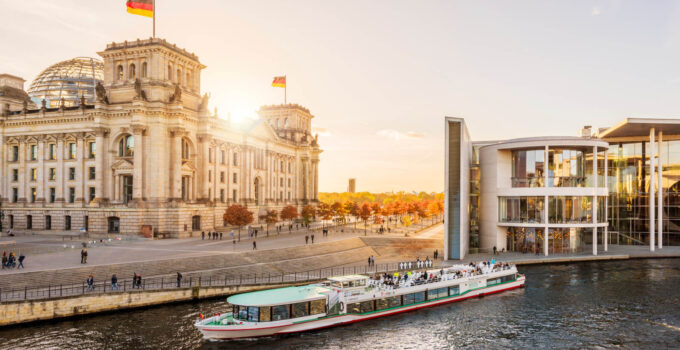
Berlin is the obvious starting point. It’s big, layered, and full of history. You’ll notice how the past and present sit right next to each other, from museums to street art. It’s also one of the most culturally active cities in Europe.
Munich feels more structured. Cleaner, easier to navigate, and more traditional in many ways. If you like order and short day trips, this is a better base.
Hamburg is often overlooked, which I never really understand. It’s quieter than Berlin but still interesting, especially around the harbor and old warehouse district.
At some point, people ask about nightlife or more specific experiences. In cities like Munich, you’ll come across everything from upscale dining to private services. For example, if you ever see something like escort München while researching options, it’s just another part of the broader city scene, like bars or events. What matters is knowing what kind of experience you’re actually looking for, not just following suggestions blindly.
Nature in Germany That’s Actually Worth the Effort
Germany’s nature is more diverse than most people expect. It’s not just forests. You get mountains, lakes, river valleys, and even coastal areas.
Before choosing, think about how active you want to be.
Mountains, forests, and quiet regions
If you like hiking or just being outdoors, these places stand out:
- Berchtesgaden National Park gives you mountains, lakes, and proper alpine views
- The Black Forest is more relaxed, with trails and smaller villages
- The Harz Mountains are less crowded but still very rewarding for walking and exploring
These regions are known for combining natural beauty with accessible trails and viewpoints.
Fact – Germany has protected landscapes ranging from alpine parks to forest reserves, which makes it easy to access nature without extreme planning.
If you don’t want intense hiking, you can still enjoy places like Königssee or Eibsee, where the views are there without much effort.
Cultural Experiences That Go Beyond Museums
Germany does culture in a very structured way. You have museums, yes, but also towns and regions where history is part of everyday life.
Smaller towns and historic routes
This is where things get more interesting.
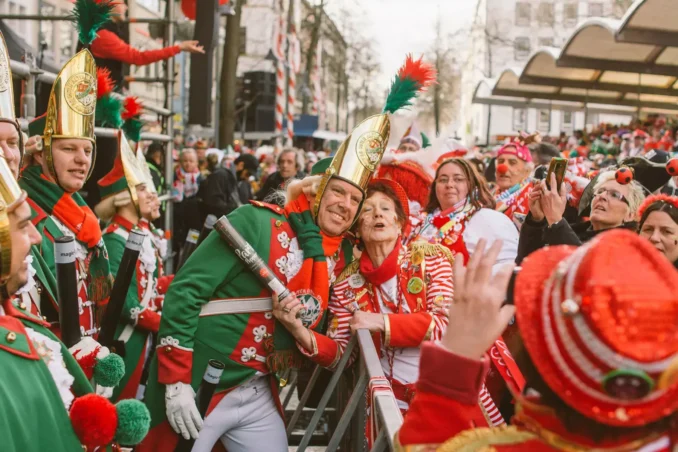
Places like Rothenburg ob der Tauber or towns along the Rhine Valley give you a different pace. Streets are smaller, buildings are older, and you spend more time walking than planning.
Source: expatica.com
Here’s a simple way to look at it:
| Type of place | What you’ll experience | Best for |
| Rhine Valley | Castles, vineyards, river views | Relaxed travel |
| Rothenburg | Preserved medieval town | Short visits |
| Spree Forest | Waterways and nature | Slow outdoor days |
The Rhine Valley is especially worth it if you want something scenic but not remote. It’s even recognized as a UNESCO site because of its historical and cultural value.
You don’t need many days here. Even two can give you a clear sense of the region.
How to Combine Cities, Nature, and Culture Without Rushing
This is where most people make mistakes. They try to do too much.
A better approach is to build your trip around one main base and then add short trips.
A simple and realistic structure
If you have around a week, something like this works:
Start in one city, Berlin or Munich. Spend three days there. Get a feel for it, don’t rush.
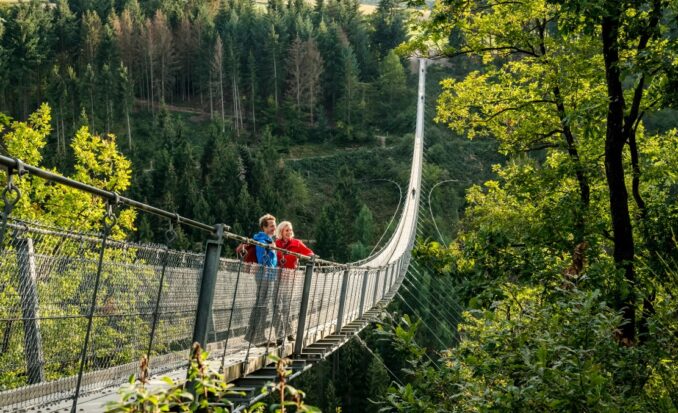
Then move to a nature area nearby. From Munich, that’s the Alps. From Berlin, you can reach places like the Spree Forest.
Finally, add one smaller town or cultural stop, somewhere like the Rhine Valley or a historic village.
This kind of structure works because Germany is well connected. Trains make it easy to move without losing time.
The key is not trying to see everything. You won’t.
Source: outsideonline.com
A Quick Way to Decide Where You Should Go
If you’re still unsure, here’s how I usually think about it.
Ask yourself these three questions:
- Do you enjoy busy environments or quiet ones?
- Do you prefer walking outside or visiting indoor places?
- How much time do you realistically have?
Your answers will point you in the right direction.
If you like energy and variety, go for Berlin and maybe Hamburg.
If you want structure and access to nature, Munich works better.
If you want slower travel, skip big cities and focus on smaller towns and regions.
Germany works best when you match the place to your pace.
Final Thoughts
You don’t need a perfect itinerary to enjoy Germany. You just need a realistic one.
It’s a country where cities, nature, and culture all exist close to each other. That’s the biggest advantage.
So instead of trying to fit everything in, focus on how you want to spend your time. Walking through a city, sitting by a lake, or exploring a small town.
That choice matters more than the destination itself.