


Privacy used to feel like the absence of an audience. Now it is something people have to actively purchase, configure or negotiate. Every booking, search, message and location check can leave a record, and the record can travel far beyond the original context.
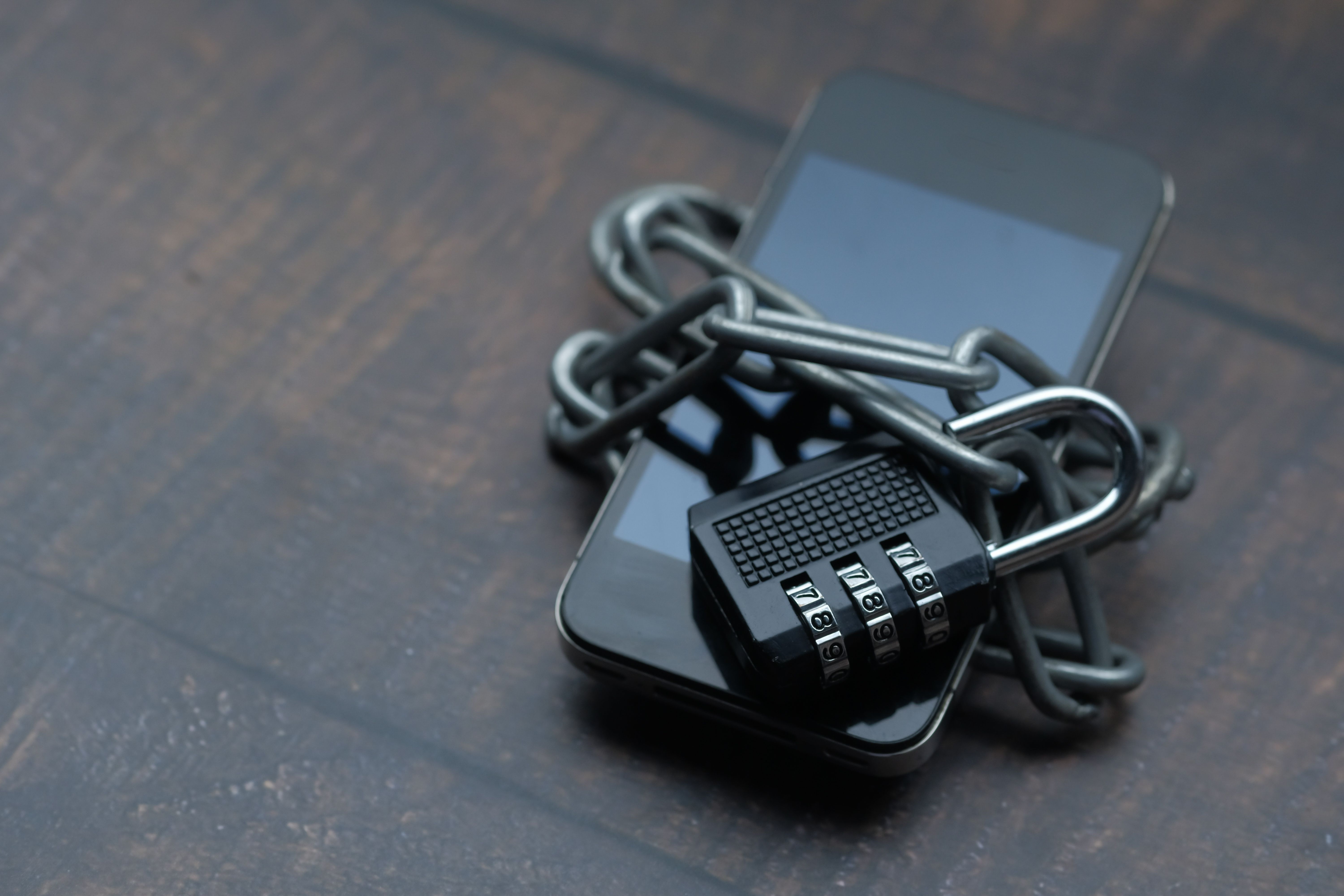
That is why discretion has become a premium service. It is not merely secrecy. It is the promise that information will be handled carefully, access will be limited and a private decision will not become public content.
Privacy fatigue has created a market for trust
The average user is expected to understand cookies, permissions, data brokers, account security and artificial intelligence, often while clicking through a long privacy policy simply to get on with the task at hand. Pew Research Center found that 67% of U.S. adults surveyed in 2023 understood little or nothing about what companies do with their personal data, while 73% felt they had little or no control over it.
Those figures explain the appeal of a discreet provider. A person is not only paying for an outcome; they are paying to avoid exposure, awkward explanations and the mental work of managing another digital trail. In my view, this is the overlooked luxury of the online era: not more visibility, but fewer consequences from being seen.

Discretion is a system, not a vague promise
Real discretion has practical components: restrained communication, minimal data collection, secure payment and booking processes, careful staff access and a clear policy for deleting information. The European Data Protection Board’s guidance on data protection by design and by default makes the principle concrete: collect only what is necessary, restrict access and avoid keeping personal data longer than needed.
This applies well beyond cybersecurity. A confidential consultant, medical provider, executive assistant or luxury hospitality business is selling a controlled environment. Even a personal service in which discretion is central, such as a München escort arrangement, depends on the same basic trust: private details should remain private, and the client should not have to repeatedly ask for that promise to be honored.

The convenience argument is real, but incomplete
There is a reasonable opposing view. Personalisation can make services faster and more useful; in Pew’s 2023 survey, 62% of Americans familiar with AI thought companies’ use of personal information could make life easier. People do want recommendations, remembered preferences and frictionless access.
But convenience does not erase the need for boundaries. The strongest services will offer both: useful memory when the customer wants it, and an easy way to remain unknown when they do not. A privacy policy nobody reads is not discretion. A default setting that quietly maximizes collection is not trust.
What customers should look for
- Specific answers about what is collected, who can access it and when it is deleted.
- Communication that avoids unnecessary personal details.
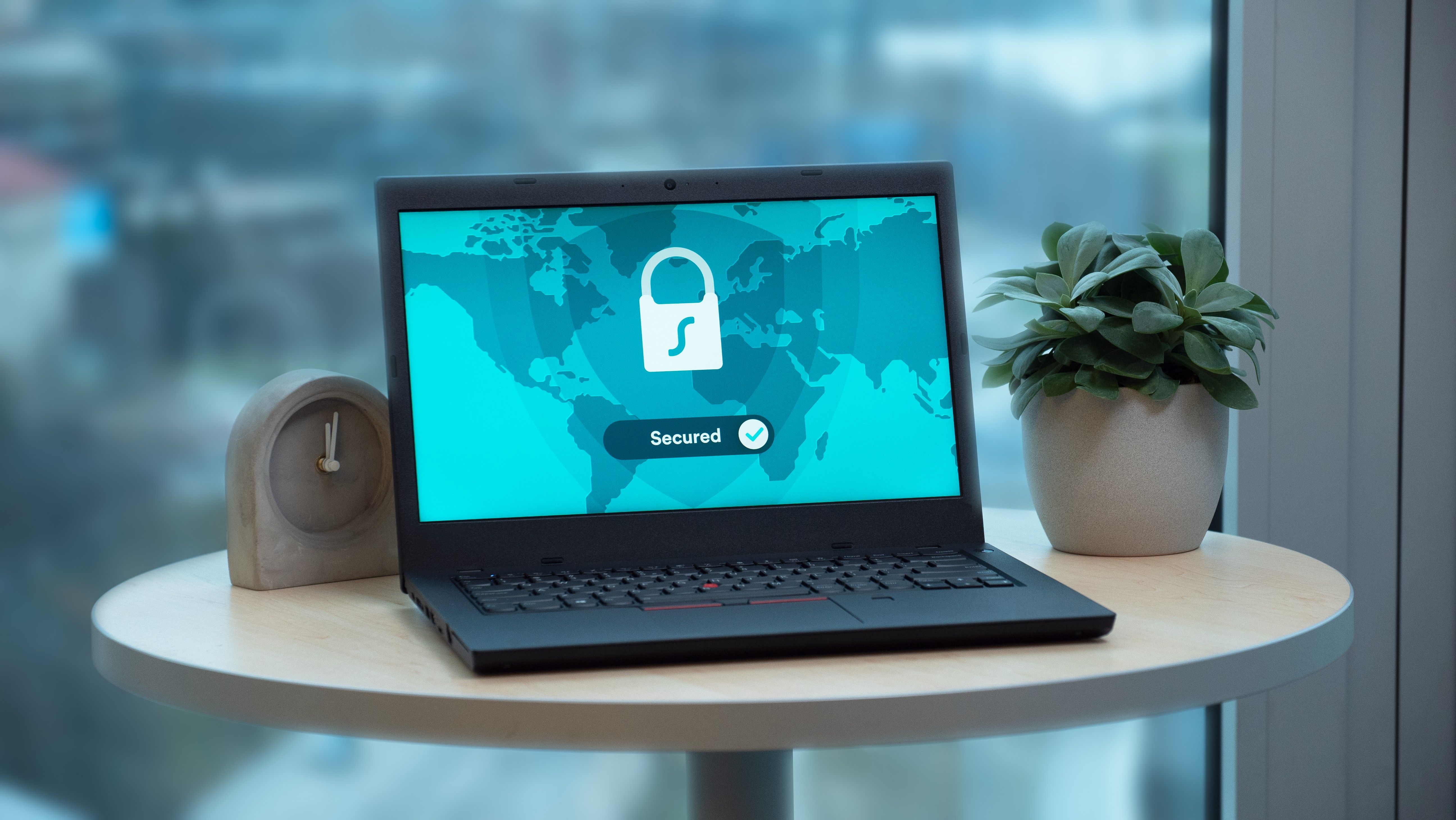
- Security measures that are built into the process rather than offered as an afterthought.
- A culture that treats confidentiality as a standard of service, not a marketing adjective.
Discretion commands a premium because attention is abundant but control is scarce. In the digital age, the most reassuring service may be the one that leaves the smallest trace and makes the fewest demands on the customer’s trust.
How this article was put together
This article draws on Pew Research Center’s survey of 5,101 U.S. adults conducted May 15–21, 2023, and the European Data Protection Board’s final guidance on data protection by design and by default, adopted in 2020. The examples are analytical rather than a claim about any individual provider. Privacy practices and regulations should be rechecked as services and laws change.