

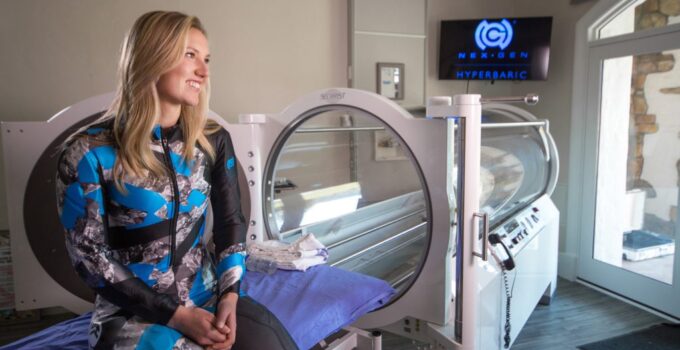
Walk into almost any recovery-focused gym or sports clinic right now, and hyperbaric oxygen therapy will come up sooner rather than later. Pro athletes talk about it. Lifters debate it between sets. Recovery centers advertise it next to cold plunges and compression boots. The promise sounds appealing: more oxygen, faster recovery, better performance.
Reality tends to live somewhere between hype and disappointment. Hyperbaric oxygen therapy, usually shortened to HBOT, does some things well and other things far less dramatically than marketing suggests.
For athletes and lifters who care about training quality, recovery timelines, and long-term progress, separating claims from practical outcomes matters.
Let’s take a look at what HBOT actually offers, where expectations should stay realistic, and who stands to benefit the most.
What Hyperbaric Oxygen Therapy Actually Is
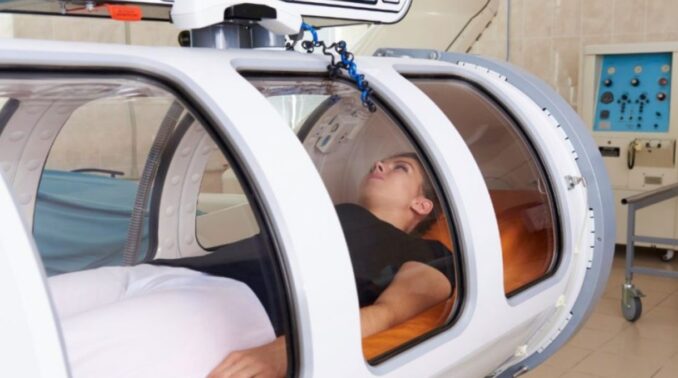
Hyperbaric Oxygen Therapy
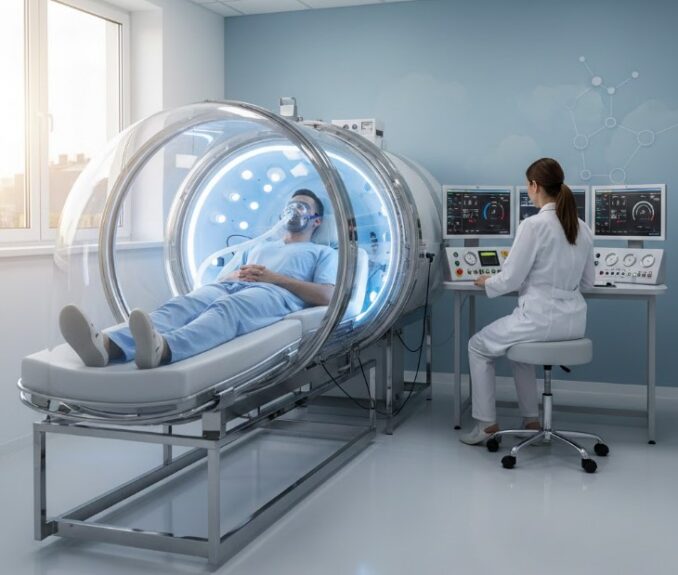
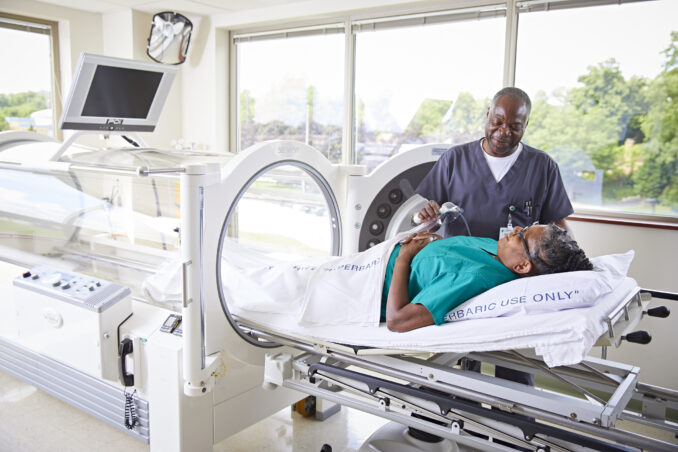
Hyperbaric oxygen therapy places a person inside a pressurized chamber while breathing high-concentration oxygen. Pressure inside the chamber rises above normal atmospheric levels, allowing oxygen to dissolve into plasma at higher concentrations than usual.
That oxygen circulates throughout the body, reaching tissues that may struggle to receive enough under normal conditions.
In medical settings, HBOT has a long history of treating issues like non-healing wounds, decompression sickness, radiation injuries, and serious infections. Athletic recovery use borrows from those mechanisms, applying them to training stress, muscle damage, and inflammation.
In practical terms, many athletes first encounter hyperbaric treatment through specialized providers such as Oxygen therapy clinics Los Angeles that offer pressurized chambers designed for recovery and medical-grade oxygen delivery.
Chambers come in two main styles:
- Hard-shell medical chambers found in hospitals and specialized clinics
- Soft-shell chambers commonly used in wellness centers and private gyms
Pressure levels differ between the two, which affects potential outcomes. Medical-grade chambers reach higher pressures, while soft-shell versions operate at lower ranges designed more for recovery and general wellness.
Why Athletes and Lifters Are Drawn to HBOT
Training hard creates predictable damage. Muscle fibers tear. Connective tissue absorbs load. Nervous system fatigue accumulates. Recovery methods aim to shorten the gap between stress and readiness.
HBOT attracts attention for several reasons:
- Oxygen plays a role in tissue repair and cellular energy production
- Pressurized delivery suggests deeper oxygen penetration
- Sessions feel passive compared to active recovery work
- High-profile athlete endorsements amplify interest
For lifters pushing heavy volume or endurance athletes stacking mileage, the idea of speeding recovery without adding more stress feels logical.
Recovery Claims and What Holds Up
Muscle Recovery and Soreness
Delayed onset muscle soreness remains one of the most discussed benefits. Increased oxygen availability may support cellular repair processes that follow intense training sessions. Some athletes report reduced soreness after consistent HBOT sessions, particularly during high-volume blocks.
Results vary widely. Athletes already sleeping well, fueling properly, and managing load often notice subtle differences rather than dramatic relief. Others training through poor recovery habits sometimes attribute improvements to HBOT when multiple variables change at once.
Practical takeaway: HBOT may help recovery feel smoother, especially during demanding training phases, though expectations should stay modest.
Inflammation Control
Inflammation drives adaptation, but excessive or prolonged inflammation slows progress. HBOT appears to influence inflammatory signaling, potentially helping the body resolve inflammation more efficiently.
For athletes managing joint irritation, tendon stress, or lingering aches, some find HBOT sessions useful as part of a broader recovery plan. Effects tend to build gradually rather than showing immediate relief after a single session.
Injury Recovery and Tissue Healing
Where HBOT shows the strongest promise for athletes involves injury recovery. Increased oxygen delivery supports angiogenesis, collagen formation, and cellular repair. Athletes rehabbing muscle strains, ligament injuries, or surgical sites often pursue HBOT as an adjunct therapy.
Important distinction: HBOT supports healing environments. It does not override poor rehab programming or replace physical therapy. Outcomes improve when sessions align with structured rehab plans.
Performance Enhancement Claims Examined
Strength Gains
Claims suggesting direct strength increases from HBOT lack solid grounding. Oxygen availability during training sessions matters, but HBOT occurs outside training windows. Muscles adapt primarily through mechanical tension, volume, and progressive overload.
Indirect benefits may occur when improved recovery allows more consistent training quality. Lifting more frequently without breakdown can support progress over time. Attributing strength gains solely to chamber sessions oversimplifies adaptation.
Endurance Improvements
Endurance athletes sometimes report improved perceived recovery between sessions rather than measurable VO2 max changes. Oxygen delivery during exercise remains governed by cardiovascular function and training adaptations, not post-session oxygen saturation alone.
HBOT may support recovery between hard efforts, which indirectly influences performance during dense training blocks.
Cognitive and Nervous System Effects
Some athletes describe improved mental clarity or reduced fatigue after sessions. Increased oxygen availability to neural tissue may play a role. Effects tend to feel subtle and short-lived rather than transformative.
For athletes balancing intense training with demanding work schedules, perceived mental freshness can still hold value.
What the Research Environment Suggests Without Overreach
Source:facebook.com
Scientific interest in HBOT for athletic performance continues to grow, though results remain mixed. Studies involving injured tissues show more consistent benefit than those examining performance enhancement in healthy athletes.
Variables complicate findings:
- Chamber pressure differences
- Session frequency and duration
- Training status of participants
- Outcome measurement methods
Soft-shell chambers operating at lower pressures may produce milder effects compared to medical-grade environments. Many commercial facilities fall into the lower-pressure category.
Practical Use Guidelines for Athletes and Lifters
Session Frequency
Most athletes using HBOT for recovery attend sessions 2 to 5 times per week during heavy training phases. Injury rehab protocols sometimes increase frequency under clinical guidance.
Consistency matters more than sporadic use.
Timing Around Training
Sessions usually work best after demanding training days rather than immediately before workouts. HBOT promotes recovery rather than acute performance boosts.
Avoid scheduling sessions so close to training that they interfere with fueling or sleep routines.
Session Length
Typical sessions last 60 to 90 minutes. Longer sessions do not automatically produce better outcomes and may increase fatigue for some users.
Who Benefits Most
HBOT appears most useful for:
- Athletes training at high volumes or intensities
- Lifters managing joint or connective tissue stress
- Athletes recovering from injuries or surgery
- Individuals struggling with recovery despite solid sleep and nutrition
Recreational lifters training 3 times per week with adequate recovery habits may notice minimal change.
Limitations Worth Acknowledging
HBOT does not fix poor programming, inconsistent nutrition, or chronic sleep deprivation. Recovery tools amplify existing habits rather than replacing fundamentals.
Cost also factors into decision-making. Regular sessions add up quickly. Athletes should weigh potential benefit against investment.
Possible side effects include ear pressure discomfort, sinus irritation, and temporary fatigue. Claustrophobia presents another barrier for some users.
Medical clearance remains important for individuals with lung conditions, untreated ear issues, or certain health histories.
How HBOT Fits Into a Smart Recovery Stack
HBOT works best alongside proven recovery practices:
- Adequate calorie intake matching training load
- Protein distribution supporting muscle repair
- Sleep quality is prioritized above all tools
- Intelligent deloads and volume management
Adding HBOT without addressing basics rarely produces meaningful returns.
Common Myths That Persist
| Claim | Reality |
| HBOT replaces sleep | Sleep remains non-negotiable |
| One session changes performance | Effects accumulate gradually |
| Higher pressure always equals better | Appropriateness matters |
| Everyone benefits equally | Individual response varies |
When HBOT Makes Sense and When It Does Not
HBOT earns consideration during periods of intense training density, injury recovery, or competitive seasons where recovery margins matter. It makes less sense as a casual add-on without clear goals.
Athletes chasing marginal gains often appreciate tools that support consistency rather than quick wins. HBOT fits that category.
Final Thoughts
Source: news.christianacare.org
Hyperbaric oxygen therapy occupies an interesting space between medical treatment and a performance recovery tool. Benefits exist, particularly for recovery support and injury healing, though exaggerated performance claims rarely hold up under scrutiny.
For athletes and lifters committed to long-term progress, HBOT works best as a supporting character rather than the star. Used thoughtfully, it may help training feel more sustainable. Used carelessly, it becomes an expensive placebo layered over neglected fundamentals.
Clear goals, realistic expectations, and disciplined recovery habits determine whether HBOT adds value or noise.