

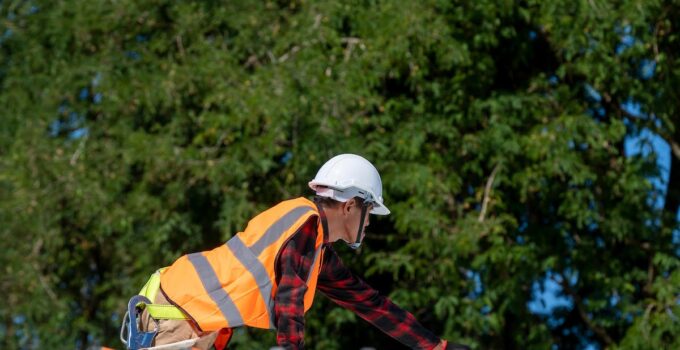
Hi vis vests are one of the most important pieces of safety equipment a tradesman can wear, regardless of the job or industry. From construction sites and roadworks to warehouses and utility repairs, visibility plays a critical role in preventing accidents. For tradesmen who work around heavy machinery, vehicles, or low-light environments, wearing the right high-visibility gear is not just a recommendation, it is a necessity.
The Role of Visibility in Trade Safety
Tradesmen often work in environments where hazards are constant and unpredictable. Moving vehicles, forklifts, cranes, and power tools all increase the risk of injury. Poor lighting, bad weather, and busy job sites only add to the danger. Hi vis vests are designed to make workers immediately noticeable, even from a distance, helping operators and drivers react in time to avoid collisions.
High-visibility clothing works by combining fluorescent colors with reflective strips. Fluorescent fabrics stand out during daylight, while reflective materials bounce light back toward its source in low-light conditions. This dual approach ensures that tradesmen remain visible at all hours, whether they are working early mornings, late evenings, or overnight shifts.
Industries Where Hi Vis Vests Are Non-Negotiable
Source: news.sap.com
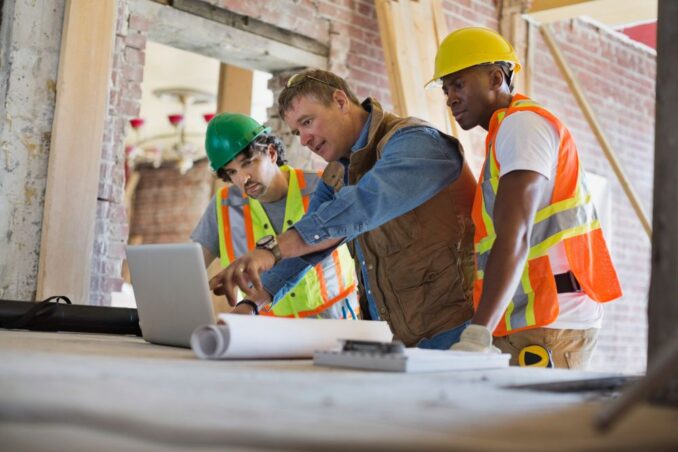
While hi vis vests are useful across all trades, some industries rely on them more heavily than others. Construction workers, road crews, electricians, plumbers, and landscapers are often required to wear high-visibility clothing as part of site safety regulations. In roadwork environments especially, visibility can be the difference between a safe workday and a serious accident.
Warehouse workers and logistics tradesmen also benefit from hi vis vests. Forklift traffic and tight spaces make it essential for everyone on the floor to be clearly visible. Even self-employed tradesmen visiting active sites are often required to wear hi vis gear before being allowed to enter.
Compliance With Safety Regulations
Most countries have workplace safety regulations that require tradesmen to wear high-visibility clothing in certain environments. These rules are not arbitrary. They are based on accident data showing that increased visibility significantly reduces workplace incidents.
Hi vis vests that meet recognized safety standards help employers and contractors stay compliant while protecting workers. For tradesmen, wearing compliant gear can also reduce liability and ensure continued access to job sites where safety audits are routine.
Comfort and Practicality for Daily Wear
Source: protradesmenclub.co.uk
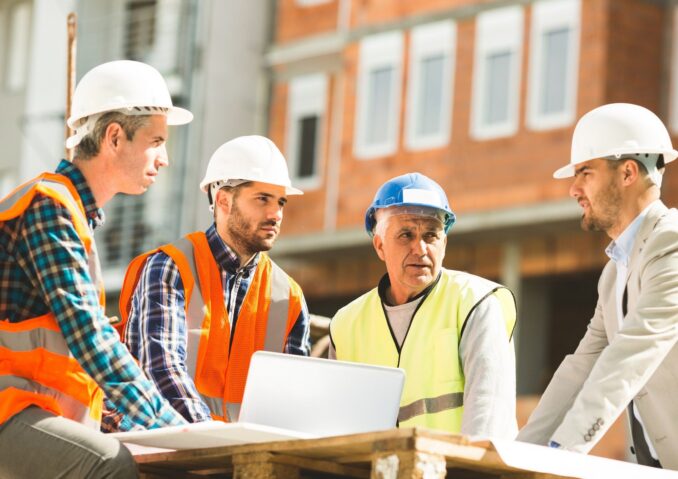
Modern hi vis vests are no longer bulky or uncomfortable. Manufacturers now design lightweight, breathable options that can be worn over regular workwear without restricting movement. This is particularly important for tradesmen who need to bend, climb, lift, or work in tight spaces.
Many hi vis vests include practical features such as multiple pockets, zip or Velcro closures, and tear-away designs for added safety. These small details make a big difference during long workdays, allowing tradesmen to keep tools close while remaining visible at all times.
Seasonal and Weather Considerations
Tradesmen work year-round, often in challenging weather conditions. Hi vis vests are available in different weights and materials to suit various environments. Mesh vests are ideal for hot summer days, while insulated or waterproof options provide visibility without sacrificing warmth in colder months.
Rain, fog, and dust can significantly reduce visibility on site. Reflective elements on hi vis vests help counter these conditions by ensuring workers remain noticeable even when visibility drops unexpectedly.
Building a Safety-First Culture
Source: selfbuild.ie
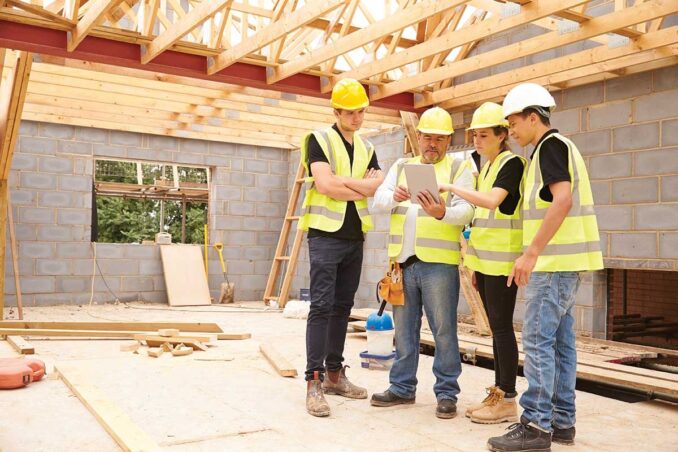
Wearing hi vis vests consistently helps reinforce a safety-first mindset among tradesmen. When visibility becomes part of everyday workwear, it encourages awareness and accountability across the entire site. New workers quickly adapt to safety expectations, and experienced tradesmen set a positive example by prioritizing protection.
This culture benefits everyone involved. Fewer accidents mean less downtime, lower insurance costs, and improved morale. For tradesmen who take pride in their work, staying safe is just as important as getting the job done efficiently.
Final Thoughts
Hi vis vests are a simple yet powerful tool in protecting tradesmen on the job. They enhance visibility, reduce risk, and help ensure compliance with safety standards across a wide range of industries. Whether working on a busy construction site or handling roadside repairs, tradesmen who wear high-visibility gear are better equipped to return home safely at the end of the day.